
Remember, debts (maturing within 1 year or less) will also come under current liabilities. Liabilities get a special position in the balance sheet as well as in the financial statement. These are obligations or some sort of debt that a business must pay in the future. These obligations can arise from the services the business received but not paid for, or any kind of loan, etc. The ability of the company to meet these obligations showcases the financial and strategic strength of the company. Payroll liabilities are amounts owed by an employer to employees, government agencies, insurance carriers and other entities as a result of processing payroll.

Comparing Current and Non-Current Liabilities
Because the rent payment will be used up in the current period (the month of June) it is considered to be an expense, and Rent Expense is debited. Payroll expense is the use of assets to pay workers for completing business tasks. Working a standard 40-hour work week will result in total wages of $800. Companies report this amount as payroll expense in their general ledger. The business will incur this expense as long as the individual remains employed by the company.

Ready to Experience the Future of Finance?
Capital expenses involve the acquisition of assets with long-term value, such as buildings or machinery. Let’s walk through an example of how to record an are liabilities expenses accounts payable transaction in the accounting software, using QuickBooks Online as our reference. Understanding the placement of these items on the financial statements is crucial for analyzing a company’s financial health and performance. These liabilities are noncurrent, but the category is often defined as “long-term” in the balance sheet. Companies will use long-term debt for reasons like not wanting to eliminate cash reserves, so instead, they finance and put those funds to use in other lucrative ways, like high-return investments.
Liability vs Expense: Difference and Comparison
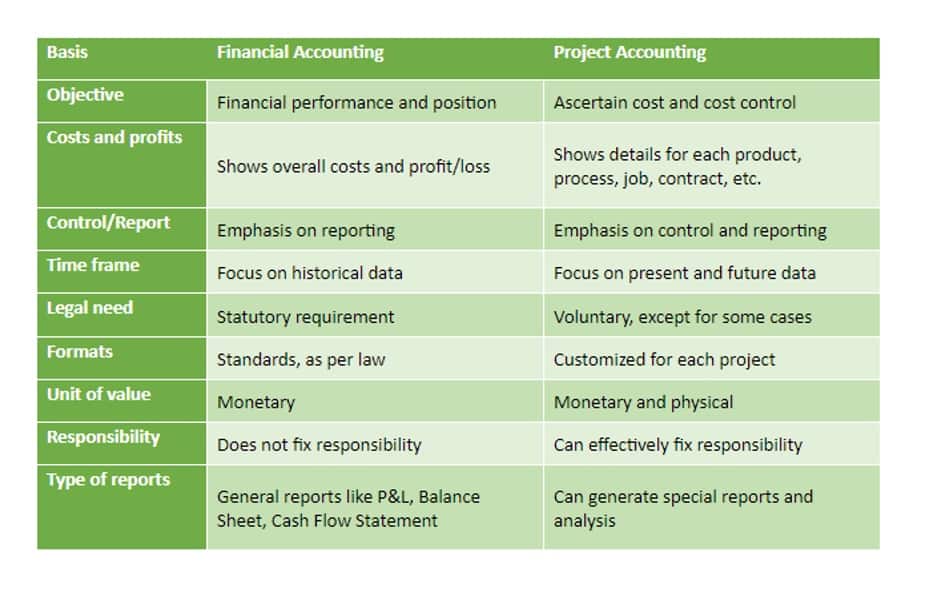
This is important to record the expense in March, the month the services were used, which is good accounting practice. Like revenue accounts, expense accounts are temporary accounts that collect data for one accounting period and are reset to zero at the beginning of the next accounting period. Equity may be in assets such as buildings and equipment, or cash. A company’s assets are also grouped according to their life span and liquidity – the speed at which they can be converted into cash. A high debt-to-income ratio, over 60%, might make them think you are a risky borrower.
Explore tailored coverage solutions built https://smartfinancial-insurance.com/ around your life’s changing circumstances.
Automated Debt Collection
Just as you wouldn’t want to take on a mortgage that you couldn’t easily afford, it’s important to be strategic and selective about the debt you assume as a business owner. Debt itself is unavoidable, especially if you’re in a growth phase—but you want to ensure that it stays manageable. Another popular calculation that potential investors or lenders might perform while figuring out the health of your business is the debt to capital ratio. Although average debt ratios vary widely by industry, if you have a debt ratio of 40% or lower, you’re probably in the clear. If you have a debt ratio of 60% or higher, investors and lenders might see that as a sign that your business has too much debt. Our intuitive software automates the busywork with powerful tools and features designed to help you simplify your financial management and make informed business decisions.
Treasury Management
- A retail chain takes out a $50 million loan to open 20 new stores.
- Non-current liabilities are debts or obligations you owe that are not due within a year.
- If your business is struggling with managing its payroll liabilities, it could be time to consider a tool to help keep track of it all.
- When in doubt, please consult your lawyer tax, or compliance professional for counsel.
- Current liabilities are those expected to be settled within one year or during the normal operating cycle.
- They’re like the villains of the financial world, lurking on the balance sheet and waiting to be defeated by timely payments.
Liabilities are economic obligations or payables of the business. In order to have a better understanding of why expenses are not liabilities, let us look at their differences. In this article, we’ll discuss what liabilities are, provide common examples, and explore some of the ways companies can expertly manage their liabilities . Throughout March, your company has been actively using the vendor company’s cloud services – things like servers, data storage, and software. By March 31st, the month ends, and your company has consumed a full month of these cloud services. Even though the vendor company hasn’t sent an invoice yet for March’s usage (they usually send it in early April), your company knows it owes the vendor company for the cloud services used in March.
Understanding Liabilities: Types, Importance, and Examples
Effective management strategies include minimizing debt, double declining balance depreciation method optimizing cash flow, and maintaining a strong balance sheet to ensure the ability to meet obligations as they come due. Accrued expenses and accounts payable are both classified as current liabilities since they must be settled within a short period. However, their impact on financial statements varies based on how they are recognized and recorded. Liabilities are carried at cost, not market value, like most assets. They can be listed in order of preference under generally accepted accounting principle (GAAP) rules as long as they’re categorized.
Liabilities are categorized as current or non-current depending on their temporality. Liabilities can include future services owed, short-term or long-term loans, or unsettled obligations from past transactions. At the same time, ignoring liabilities until they’re due can lead to poor cash flow management and planning—both of which lead to inaccurate budgeting and forecasting. Fyle simplifies expense management with automation, ensuring seamless categorization and efficient tracking. By accurately distinguishing between liabilities and expenses, businesses can achieve a clearer financial picture and make informed decisions with confidence. Accurate classification between liabilities and expenses is essential for clear financial records, compliance, and better business decision-making.
What Are Liabilities in Accounting?
- Liabilities show what a business owes and when those payments are due.
- These are recorded on the balance sheet and may include loans, accounts payable, and additional debts that the business has to outside parties in terms of money.
- Notes payable cover formal promissory notes that fall outside normal trade payables, such as founder loans or earn-outs from acquisitions.
- As mentioned above, expenses are reported on the income statement, also known as the profit-and-loss statement.
- To minimize liability costs over the long run, companies should prioritize paying off higher-interest debts first.
- This is usually achievable by minimizing expenses at a moderate level.
By recognizing the distinct characteristics of each, companies can accurately reflect their financial health, streamline reporting processes, and adhere to what are retained earnings regulatory requirements. Embracing sound accounting practices for liabilities and expenses ensures the integrity of financial statements and supports sustainable growth in the dynamic business environment. In conclusion, understanding and properly tracking accrued expenses and liabilities is essential for accurate financial reporting and maintaining a clear picture of a company’s financial health. Companies must be diligent in distinguishing between accounts payable and accrued expenses, as well as identifying and recording common types of accrued liabilities.